Historic Village · Washington Township, Burlington County
Batsto Village
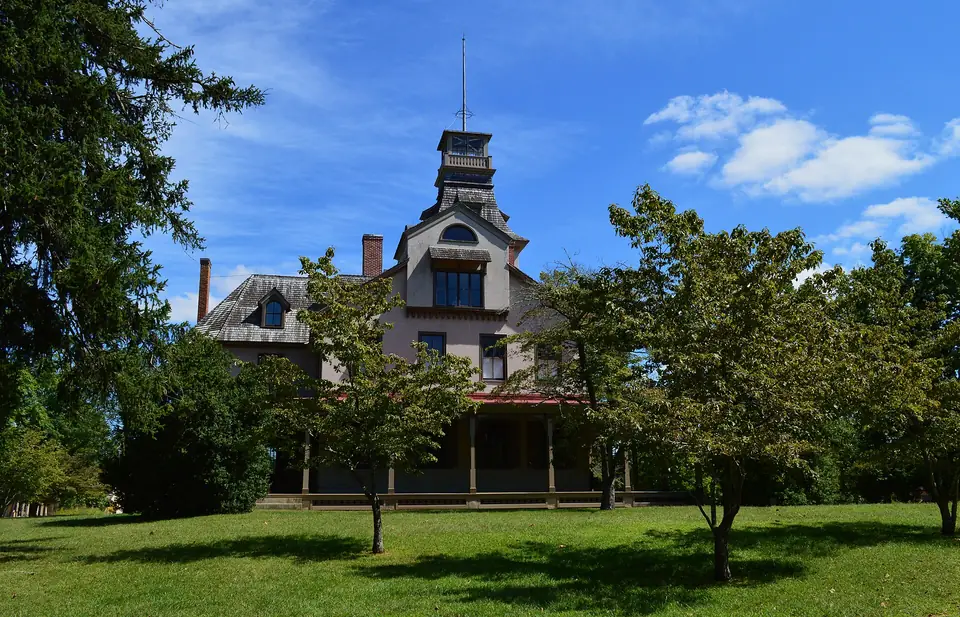
A 19th-century iron and glassmaking village deep in the Pine Barrens, with an ironmaster's mansion, a working sawmill and a post office that still hand-cancels mail.
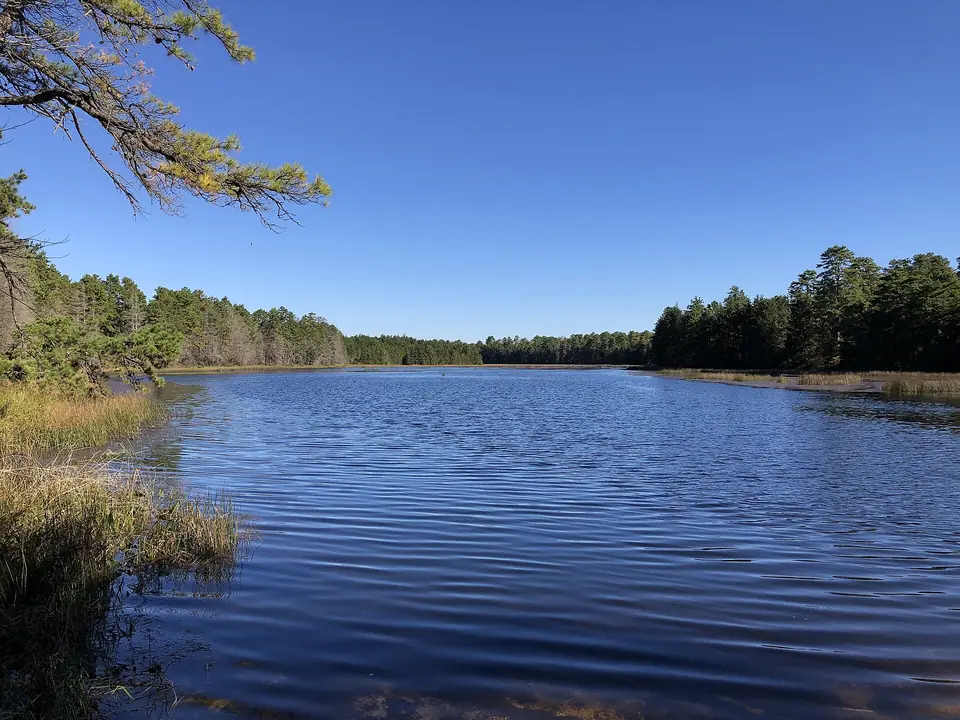
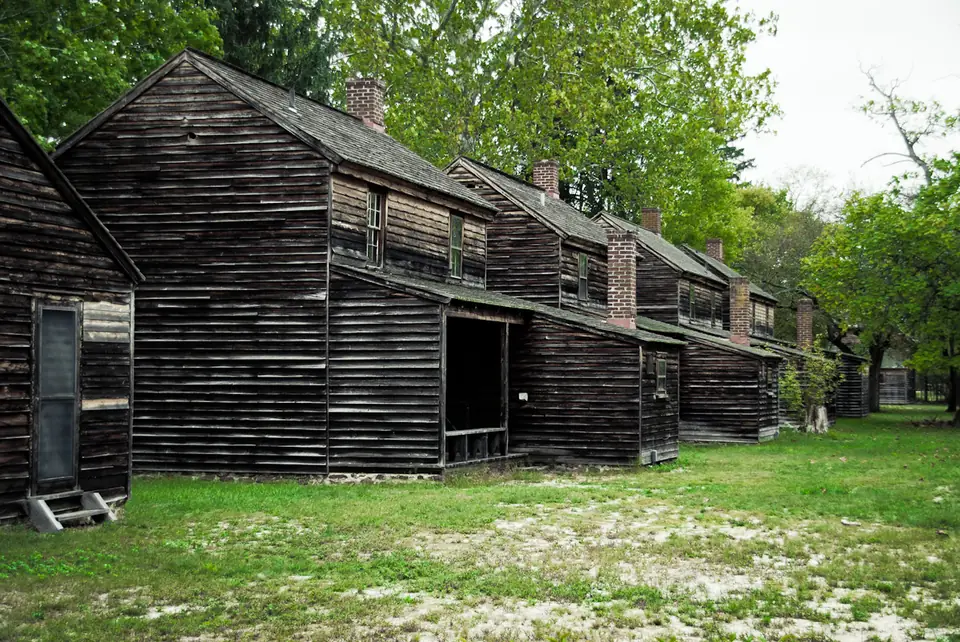
Deep in the Pine Barrens, where the Batsto River widens into a cedar-dark lake, stands a whole 19th-century company town: an ironmaster's mansion, workers' cottages, a sawmill and gristmill, a general store and a post office that still hand-cancels the mail. Now it is the heart of Wharton State Forest, and you can wander it freely.
The story
Charles Read founded the Batsto Iron Works in 1766, smelting bog iron dug from the stream beds. During the Revolution it made cannonballs, camp kettles and other supplies for the Continental Army. In 1784 William Richards bought the works, and his family ran Batsto for 92 years; when the iron business collapsed in the 1840s they turned to glass, making window panes and gas-lamp globes until 1867.
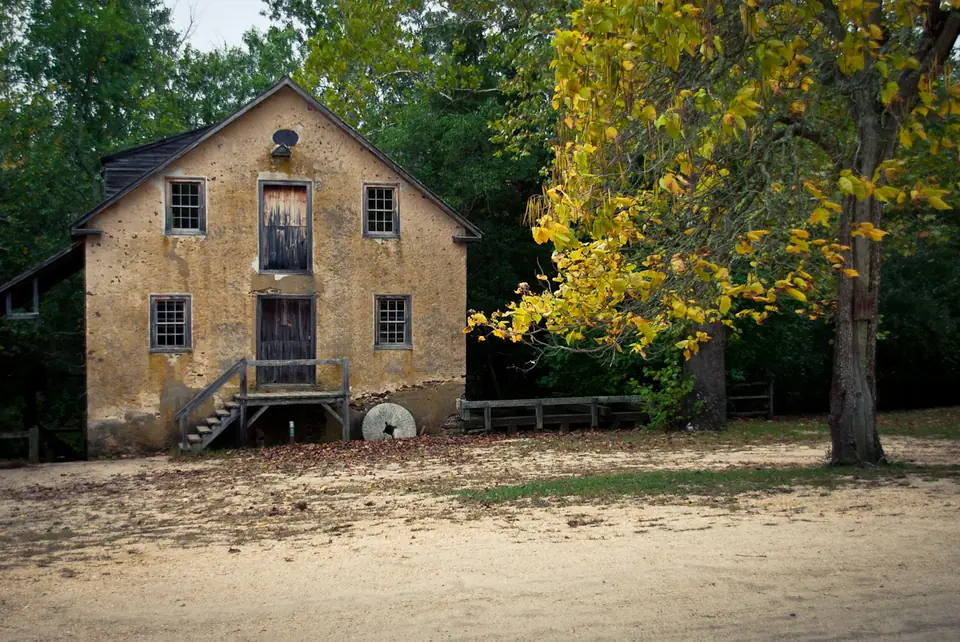
In 1876 the Philadelphia industrialist Joseph Wharton bought the village and kept buying the land around it until he owned about 96,000 acres, which he ran as farms and timberland. He rebuilt the mansion in the Italianate style and put up the water-powered sawmill of 1882, which still works. The state bought the whole Wharton tract in 1954–55, and the historic village was dedicated in 1961. Its post office, opened in 1852, has never had a ZIP code.
Visiting
The village is open every day from dawn to dusk and you can explore on your own with a trail guide from the visitor center, which has a small museum. The mansion is seen only on a guided tour, Wednesday to Sunday; tickets are sold at the visitor center and tours fill up, so arrive early or call ahead on the day. Free village walking tours run in the warmer months when staff allow. Allow two to three hours, and longer if you walk one of the trails along the lake, where the Batona Trail passes through.
Spring and fall are the best seasons. Summer is hot and buggy in the pines, and ticks are about from spring to late fall. The Batsto Citizens Committee holds its Country Living Fair, with crafts, food and music, on a Sunday in mid-October; October evenings bring folklore lantern tours, and in December the mansion is dressed for holiday tours. A parking fee applies at weekends from Memorial Day to Labor Day.
Around town
Batsto is remote, so bring water and snacks. The nearest town is Hammonton, about fifteen minutes west, "the blueberry capital of the world", with a lively downtown on Bellevue Avenue. Rocco's Town House has been a tavern since 1949, Bruni's Pizzeria has been on 12th Street since 1956, and Joe Italiano's Maplewood, on the White Horse Pike, dates to 1945. Renault Winery is a short drive toward Egg Harbor City.
What you will find
- Dogs welcome
Plan your visit
- Era
- 1766 to the 1950s
- Designation
- National Register of Historic Places
- Known for
- An iron and glassmaking village in the Pine Barrens
- Best time
- Spring and fall; the Country Living Fair in mid-October; December holiday tours
- Allow
- 2–3 hours
- Tours
- Mansion by guided tour only, Wednesday to Sunday; the village is self-guided
- Good to know
- Parking fee at weekends from Memorial Day to Labor Day; ticks from spring to late fall
Make a day of it
In and around Batsto Village

State Forest · Washington Township, Burlington County
Wharton State Forest
The 100,000-acre forest around the village, with the Batona Trail, sand roads and Pine Barrens rivers to paddle.
Photo: Famartin, CC BY-SA 4.0, via Wikimedia Commons

State Recreation Area · Shamong Township, Burlington County
Atsion Recreation Area
Eight miles north, a lake beach for summer swimming beside the 1826 Atsion Mansion.
State Forest · Bass River Township, Burlington County
Bass River State Forest
New Jersey's first state forest, from 1905, with a swimming lake, campsites and a boardwalk trail through a white-cedar swamp.


Also nearby
Nearby
-
Wharton State Forest
The largest single tract in New Jersey's state park system: Pine Barrens rivers for canoeing, sand roads for biking, and the restored 19th-century village at Batsto.