State Park · Hopewell Township, Mercer County
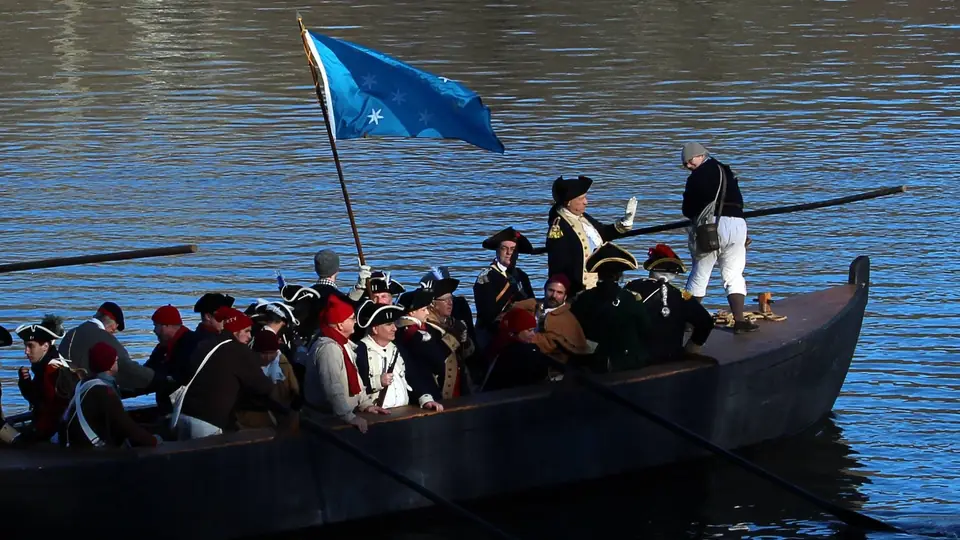
Washington Crossing State Park
Where Washington's army landed after crossing the icy Delaware on Christmas night 1776, with the 18th-century Johnson Ferry House and miles of wooded river trails.
62 places
Revolutionary history and the heart of the Pine Barrens
Photo: NJ Getaway
The winter of 1776 turned on this stretch of river. Washington's army crossed the icy Delaware on Christmas night, surprised the garrison at Trenton, and won again at Princeton a week later, and you can still walk the landing site and the battlefield. Princeton, Trenton and the old river towns make for easy days of history, art and good lunches.
East of the river the land flattens into the Pinelands: more than a million acres of pitch pine, cedar water the color of tea, sand roads and forgotten iron towns. Wharton State Forest and its restored village at Batsto are the classic introduction, best done with a canoe or a bike.
Highlights
State Park · Hopewell Township, Mercer County
Where Washington's army landed after crossing the icy Delaware on Christmas night 1776, with the 18th-century Johnson Ferry House and miles of wooded river trails.
State Park · Princeton, Mercer County
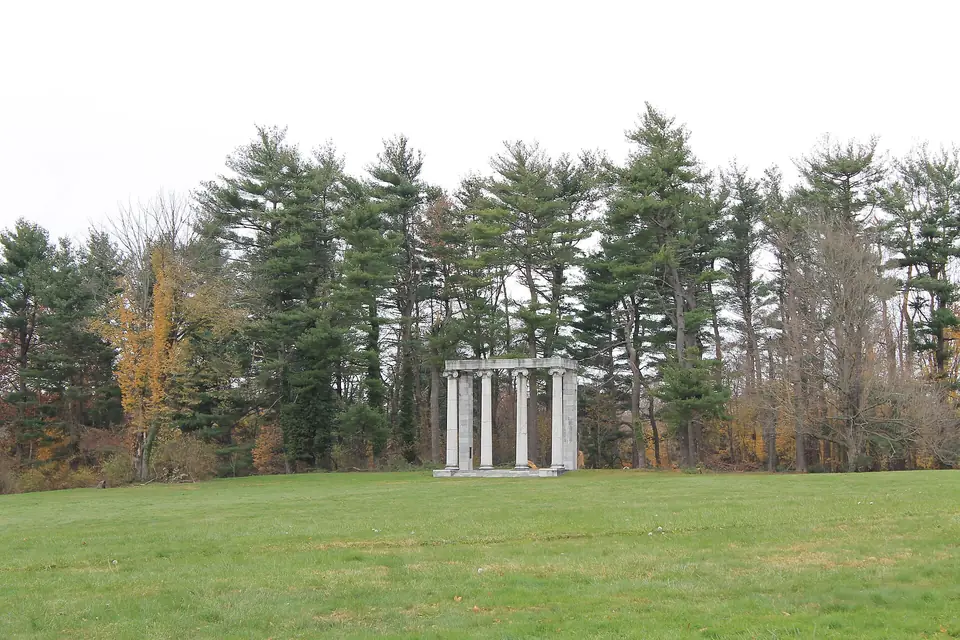
The quiet fields where Washington defeated British troops on January 3, 1777, with the Thomas Clarke House and a stone colonnade marking the soldiers' grave.
Photo: Patrick Nouhailler's…, CC BY-SA 3.0, via Wikimedia Commons
Public Garden · Hamilton Township, Mercer County
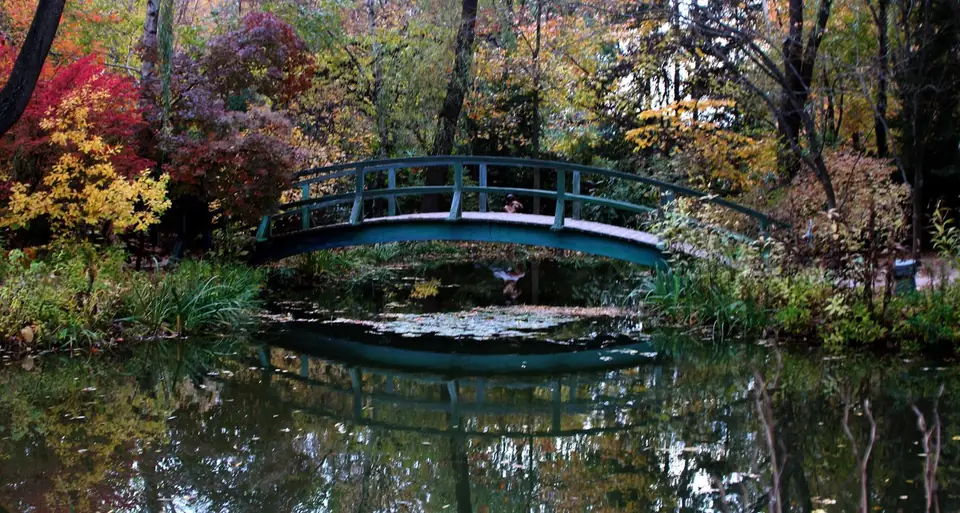
A sculpture park and gardens on the old state fairgrounds, with hundreds of works set among lawns, ponds and bamboo, including Seward Johnson's larger-than-life figures.
State Forest · Washington Township, Burlington County
The largest single tract in New Jersey's state park system: Pine Barrens rivers for canoeing, sand roads for biking, and the restored 19th-century village at Batsto.
Photo: Famartin, CC BY-SA 4.0, via Wikimedia Commons
State Forest · Woodland Township, Burlington County
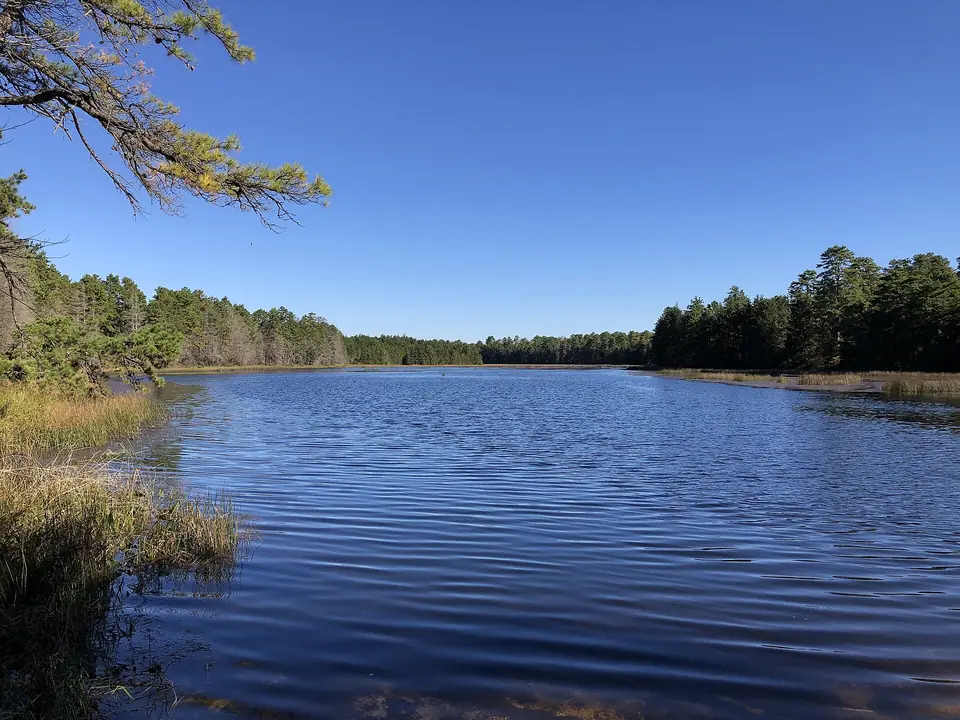
Pine Barrens forest with Pakim Pond, the Mount Misery trails, and Whitesbog Village, where the cultivated blueberry was first developed.
Photo: Famartin, CC BY-SA 3.0, via Wikimedia Commons
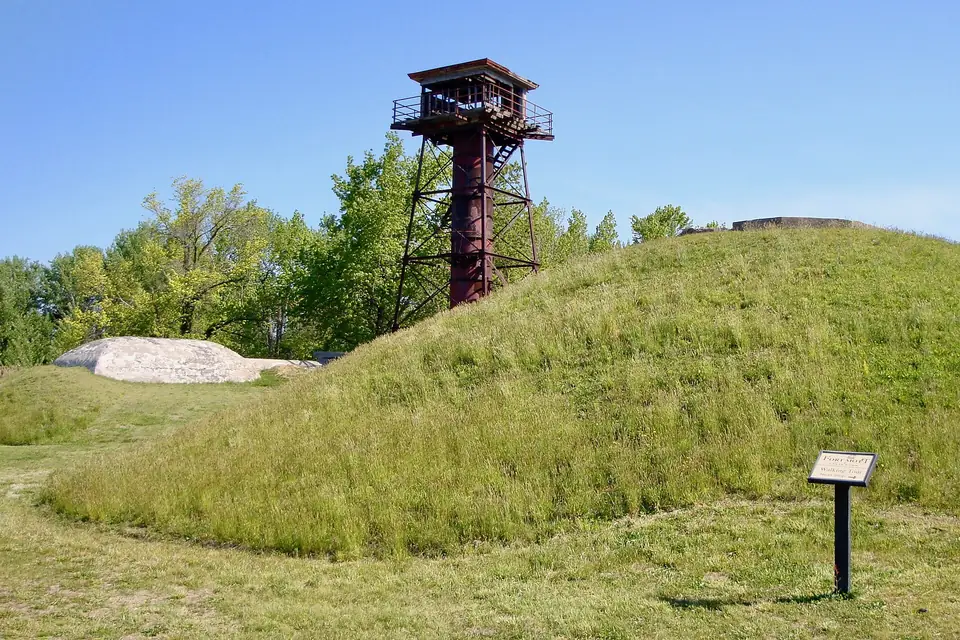
State Park · Pennsville Township, Salem County
A late-1800s coastal fort on the Delaware River, with concrete gun batteries to explore and a seasonal ferry to Fort Delaware on Pea Patch Island.
Photo: Zeete, CC BY-SA 4.0, via Wikimedia Commons
The full list
A sculpture park and gardens on the old state fairgrounds, with hundreds of works set among lawns, ponds and bamboo, including Seward Johnson's larger-than-life figures.
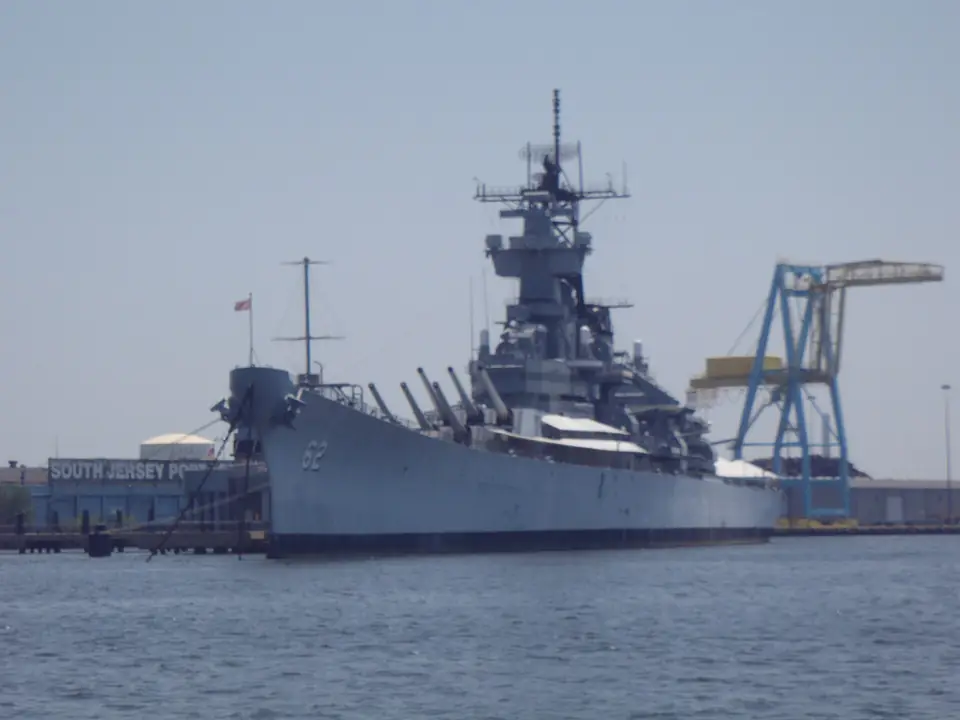
The battleship USS New Jersey, which served in World War II, Korea and Vietnam, moored on the Camden waterfront for tours.
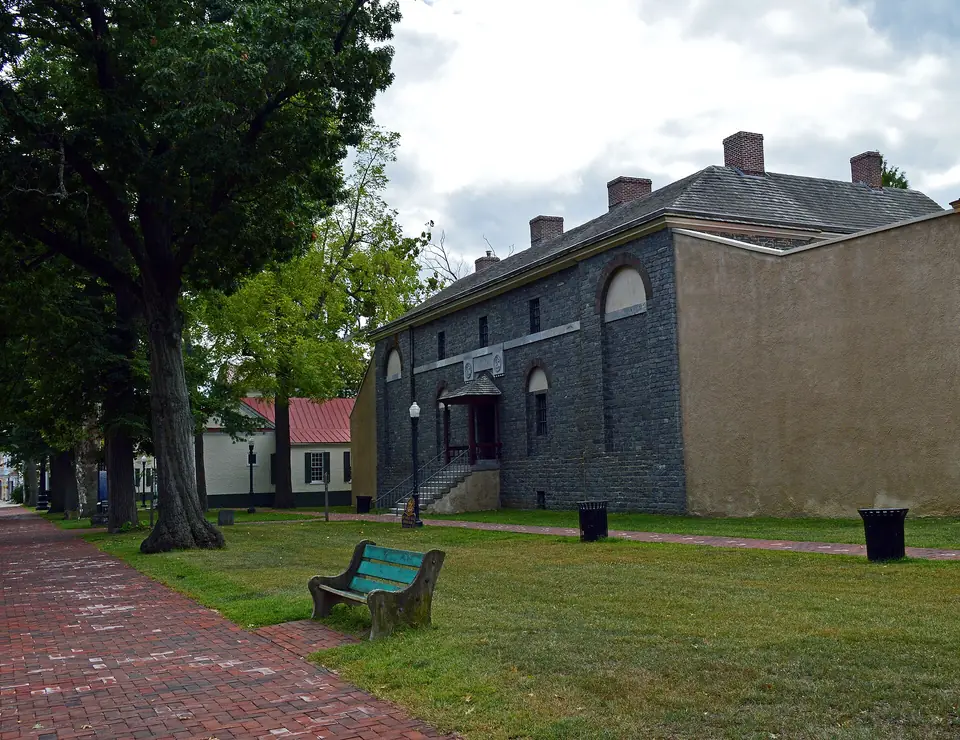
A stone jail designed by Robert Mills in 1811 and used until 1965, with cells, a dungeon and a reputation as one of the state's most haunted buildings.
The state's museum beside the State House in Trenton, with natural history, archaeology, fine art and a planetarium.
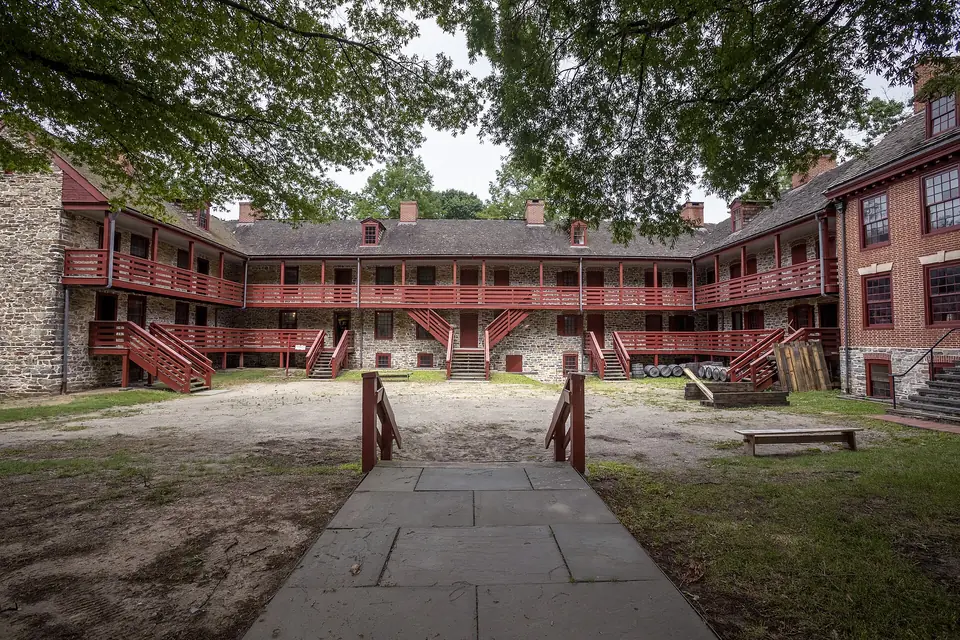
Barracks built in 1758 for British troops in the French and Indian War, which housed Hessian soldiers before the Battle of Trenton.
The university's art museum on the Princeton campus, with collections that range from ancient to contemporary art.
Where Washington's army landed after crossing the icy Delaware on Christmas night 1776, with the 18th-century Johnson Ferry House and miles of wooded river trails.
The quiet fields where Washington defeated British troops on January 3, 1777, with the Thomas Clarke House and a stone colonnade marking the soldiers' grave.
A colonial tavern on Haddonfield's main street where New Jersey's legislature met in 1777 and confirmed New Jersey as an independent state.
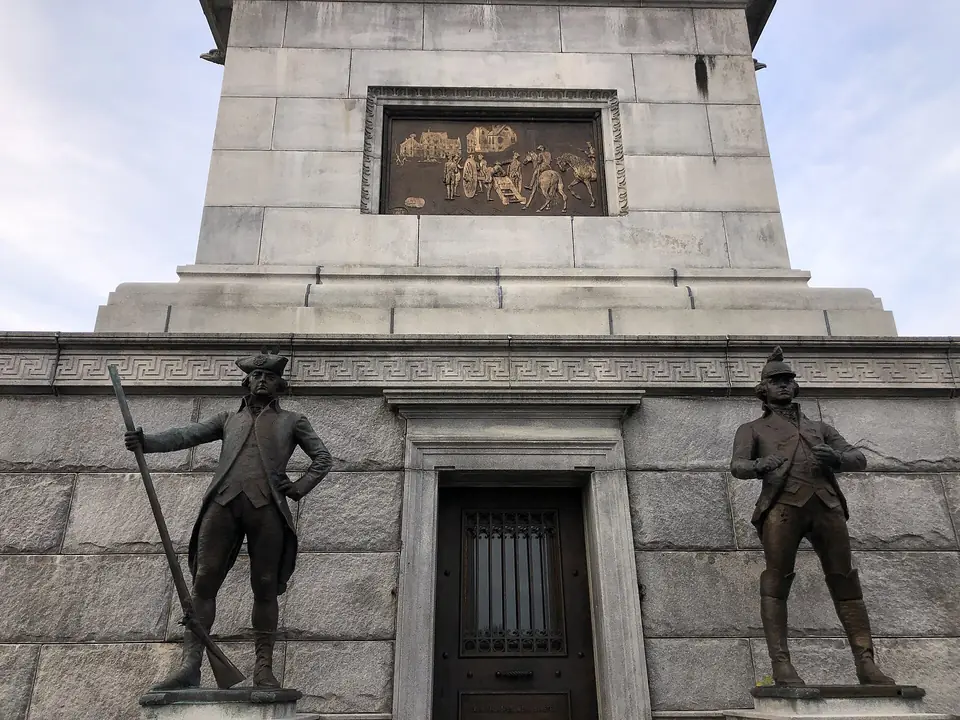
A tall granite column topped by a statue of Washington, marking where American guns opened the Battle of Trenton on December 26, 1776.
The modest Mickle Street house where Walt Whitman spent his last years, the only home the poet ever owned.
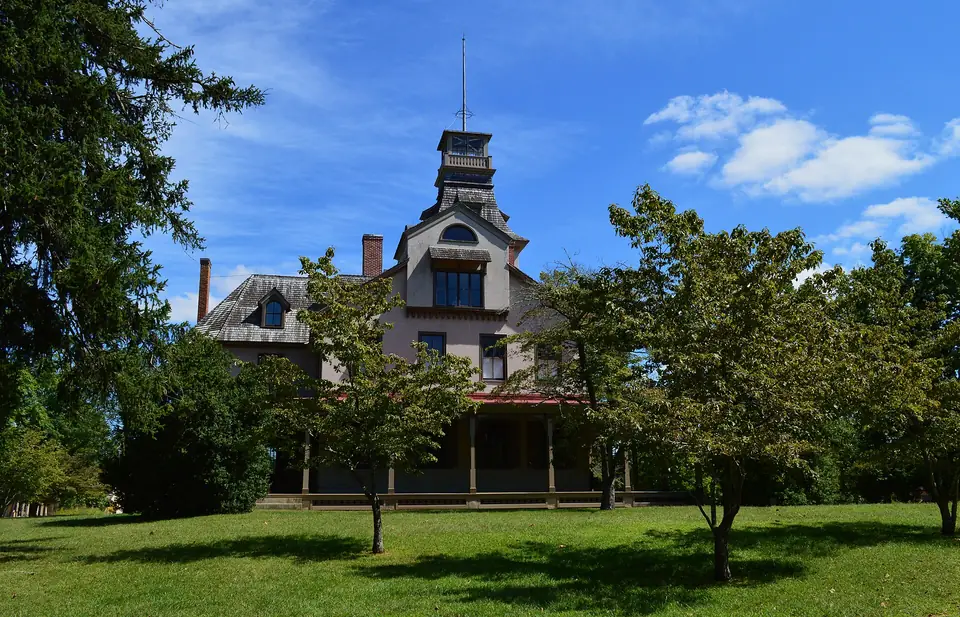
A 19th-century iron and glassmaking village deep in the Pine Barrens, with an ironmaster's mansion, a working sawmill and a post office that still hand-cancels mail.
The battleship USS New Jersey, which served in World War II, Korea and Vietnam, moored on the Camden waterfront for tours.
A stone jail designed by Robert Mills in 1811 and used until 1965, with cells, a dungeon and a reputation as one of the state's most haunted buildings.
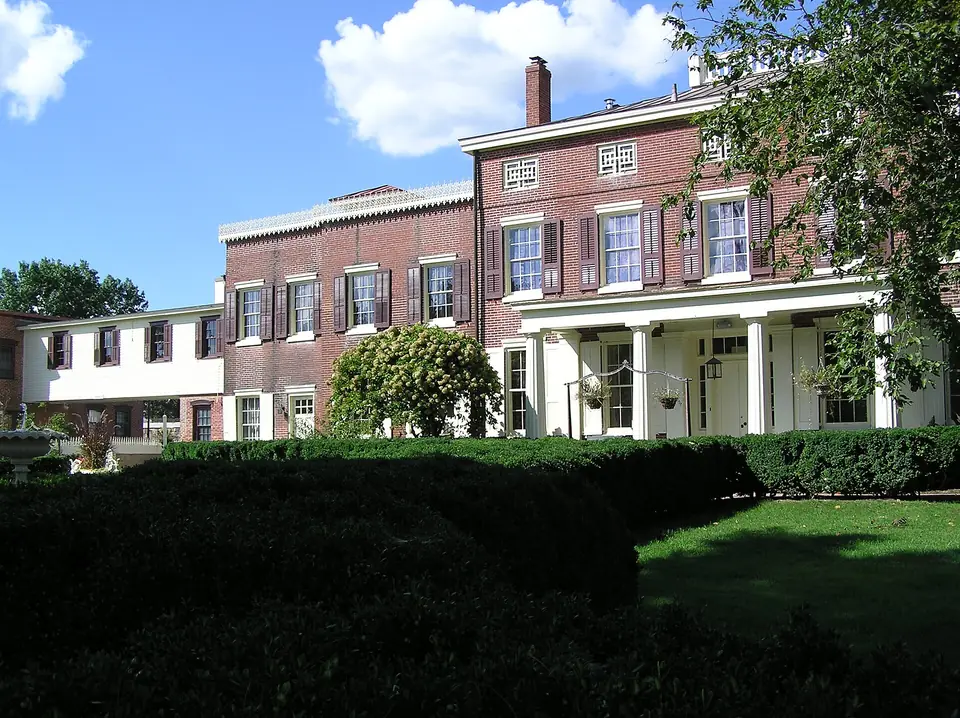
A 19th-century factory village and mansion on Rancocas Creek, now a county park with lake trails, mansion tours and the story of a bicycle railroad.
Barracks built in 1758 for British troops in the French and Indian War, which housed Hessian soldiers before the Battle of Trenton.
A handsome colonial town with a brick-sidewalked main street, the tavern where New Jersey became a state, and the site of a famous dinosaur find.
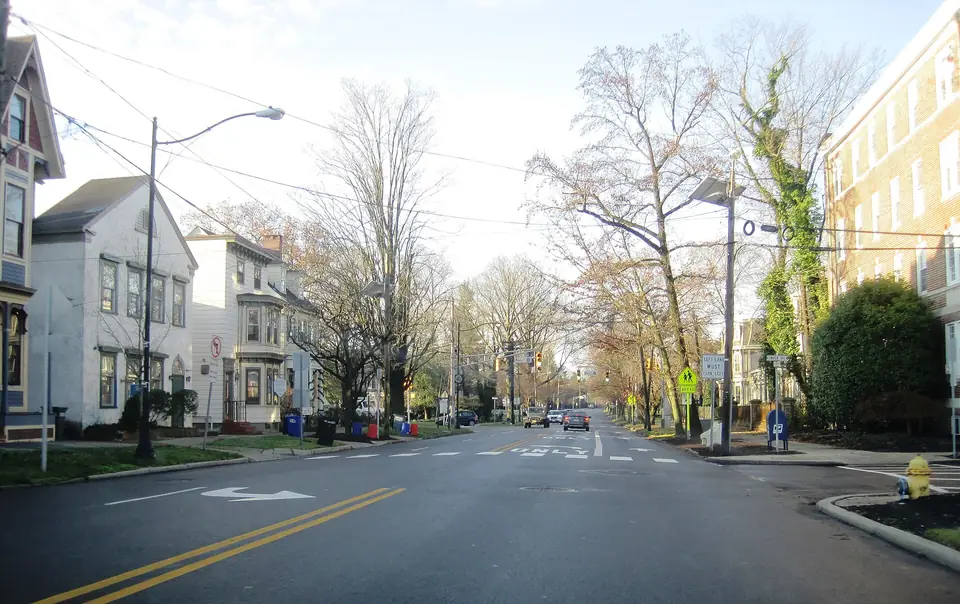
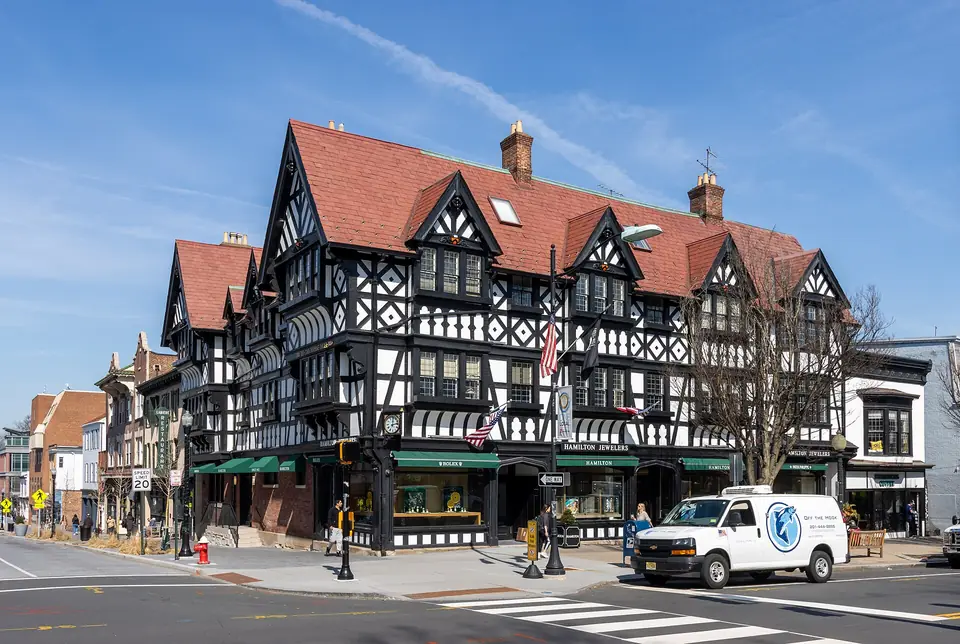
A small, friendly borough at the foot of the Sourland Mountains, with a Victorian main street and farm country all around.
A university town with a lively downtown, the Gothic campus of Princeton University, and Revolutionary history at every turn.
New Jersey's first state forest, from 1905, with a swimming lake, campsites and a boardwalk trail through a white-cedar swamp.
The largest single tract in New Jersey's state park system: Pine Barrens rivers for canoeing, sand roads for biking, and the restored 19th-century village at Batsto.
Where Washington's army landed after crossing the icy Delaware on Christmas night 1776, with the 18th-century Johnson Ferry House and miles of wooded river trails.
Pine Barrens forest with Pakim Pond, the Mount Misery trails, and Whitesbog Village, where the cultivated blueberry was first developed.
A late-1800s coastal fort on the Delaware River, with concrete gun batteries to explore and a seasonal ferry to Fort Delaware on Pea Patch Island.
The quiet fields where Washington defeated British troops on January 3, 1777, with the Thomas Clarke House and a stone colonnade marking the soldiers' grave.
Nearly 11,000 acres of former cranberry bogs, wetlands and pine forest in the heart of the Pinelands, with long, quiet trails.
A 19th-century factory village and mansion on Rancocas Creek, now a county park with lake trails, mansion tours and the story of a bicycle railroad.
New Jersey's first state forest, from 1905, with a swimming lake, campsites and a boardwalk trail through a white-cedar swamp.
The largest single tract in New Jersey's state park system: Pine Barrens rivers for canoeing, sand roads for biking, and the restored 19th-century village at Batsto.
Where Washington's army landed after crossing the icy Delaware on Christmas night 1776, with the 18th-century Johnson Ferry House and miles of wooded river trails.
Pine Barrens forest with Pakim Pond, the Mount Misery trails, and Whitesbog Village, where the cultivated blueberry was first developed.
Nearly 11,000 acres of former cranberry bogs, wetlands and pine forest in the heart of the Pinelands, with long, quiet trails.
New Jersey's first state forest, from 1905, with a swimming lake, campsites and a boardwalk trail through a white-cedar swamp.
The largest single tract in New Jersey's state park system: Pine Barrens rivers for canoeing, sand roads for biking, and the restored 19th-century village at Batsto.
Where Washington's army landed after crossing the icy Delaware on Christmas night 1776, with the 18th-century Johnson Ferry House and miles of wooded river trails.
Pine Barrens forest with Pakim Pond, the Mount Misery trails, and Whitesbog Village, where the cultivated blueberry was first developed.
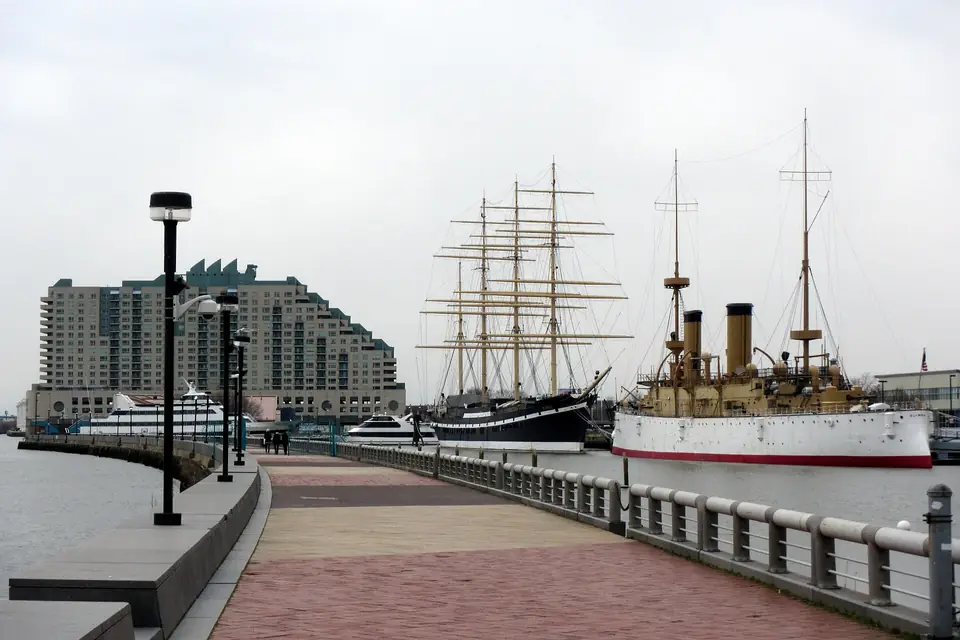
Philadelphia's maritime museum on Penn's Landing, with the cruiser Olympia and the World War II submarine Becuna to explore.
The story of the Revolution told through objects such as George Washington's own field tent, a short walk from Independence Hall.
Isaiah Zagar's mosaic labyrinth of tiles, mirrors, bottles and found objects, covering a block on South Street.
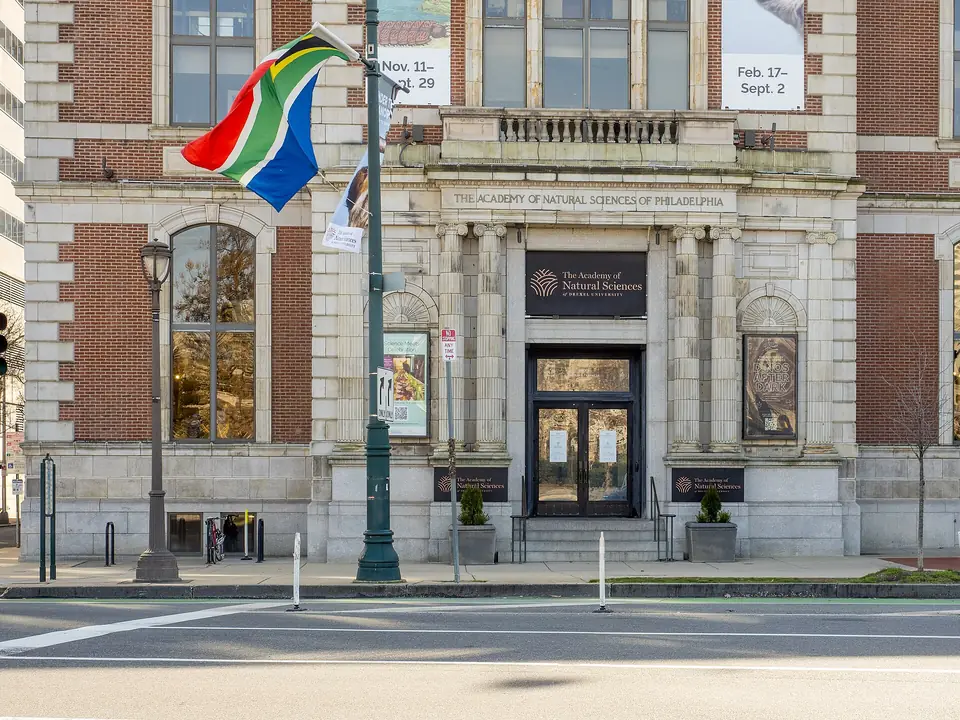
America's oldest natural science research institution, founded in 1812, with dinosaur skeletons, dioramas and a live butterfly room.
Philadelphia's landmark science museum, home of the giant walk-through heart and the Fels Planetarium.
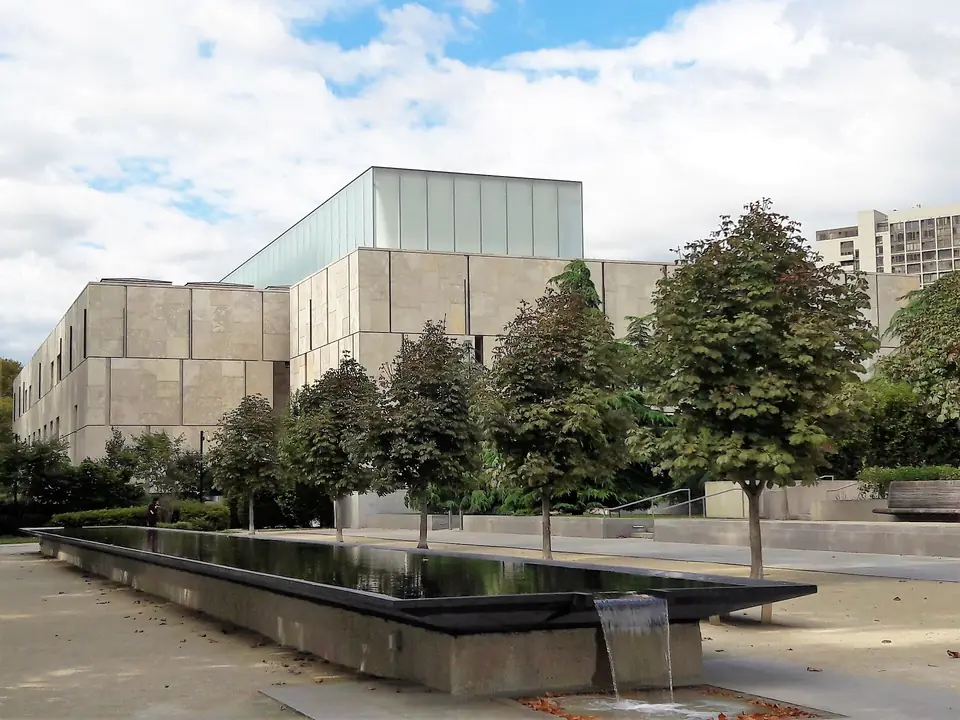
Albert Barnes's extraordinary collection of Impressionist and Post-Impressionist paintings by Renoir, Cezanne, Matisse and more, hung as he arranged it.
A small zoo in Wilmington's Brandywine Park, beside the Brandywine River.
Historic houses in Old New Castle, Delaware's colonial capital, where William Penn first landed in America in 1682.