New Jersey packs a lot into a short drive for families: a science center facing the Manhattan skyline, a county zoo
with a train and a carousel, beaches and boardwalks, lighthouses to climb, Revolutionary War camps with Junior Ranger
booklets, and state parks with playgrounds, swimming beaches and nature centers. Over the border there are children's
museums in New York, zoos in Philadelphia and Wilmington, and hands-on science in Allentown and Delaware.
This section gathers it in one place: places made for children, places where kids get in free, paths that suit a
stroller, the passes that save families money, and tips for easier days out. Each place's details come from its own
website or its managing agency, with the month we checked them.
Save money
Ways to save
Families with a Families First (EBT) or WIC card
Families First Discovery Pass
New Jersey's own program. Participating museums, historic sites, theaters and arts centers let card holders in free or for a few dollars when they show their Families First or WIC card; each place sets its own offer, so check the list before you go. The card is only proof, not payment.
Many museums across the border take part in the national Museums for All program, which works the same way for up to four people with any state's EBT card.
US fourth graders, and home-schooled children aged 10
Every Kid Outdoors pass
A free pass for the school year, September to August, that covers entrance and day-use fees at national parks and national wildlife refuges for the child, other children under 16 and up to three adults, or for the family car. Get the voucher online after a short activity, then swap it for a pass at a federal site; the child must come along.
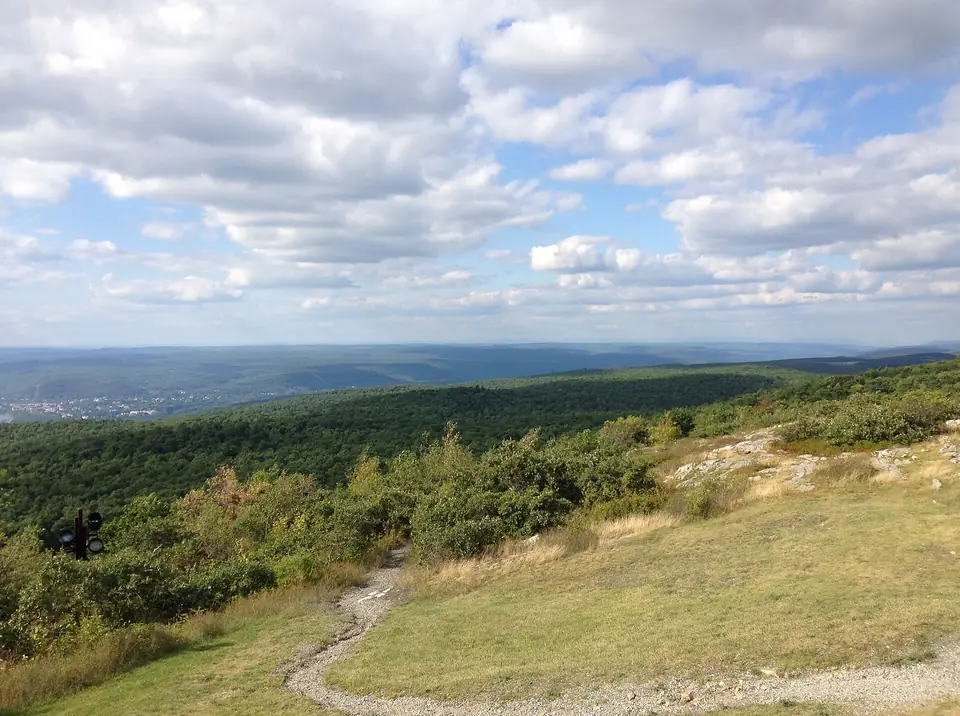
Near New Jersey it is most useful at Thomas Edison National Historical Park, the Forsythe refuge's Wildlife Drive and the Delaware Water Gap. It does not cover camping, parking, tours or fees charged by concessioners.
Morristown, Thomas Edison, Sandy Hook, the Great Falls in Paterson, the Statue of Liberty and the Delaware Water Gap all run Junior Ranger programs, with activity booklets children finish for a badge. Each park's Kids & families card says when it offers one.
Most of the paid museums, gardens, zoos and historic houses in this guide let young children in free and charge less for older ones. The ages differ from place to place, so each place's Kids & families card gives them.
In New Jersey a freshwater fishing license is needed only from age 16, so children can fish the state parks' lakes and streams for free. An adult who casts or reels in for them needs a license, but baiting a hook or taking a fish off does not count.
On the state's two Free Fishing Days each year, in June and September, residents of any age can fish without a license.
Most New Jersey state parks are free to walk into, though many charge a fee per car from Memorial Day weekend to Labor Day. Playgrounds, swimming beaches and nature centers make the bigger parks easy days out; each park's page here says what it has for families.
Floors of hands-on science across the river from Manhattan, with Wobbly World for children up to 5 and Junior Days on Thursdays and Fridays for the under-7s. Children under 2 get in free.
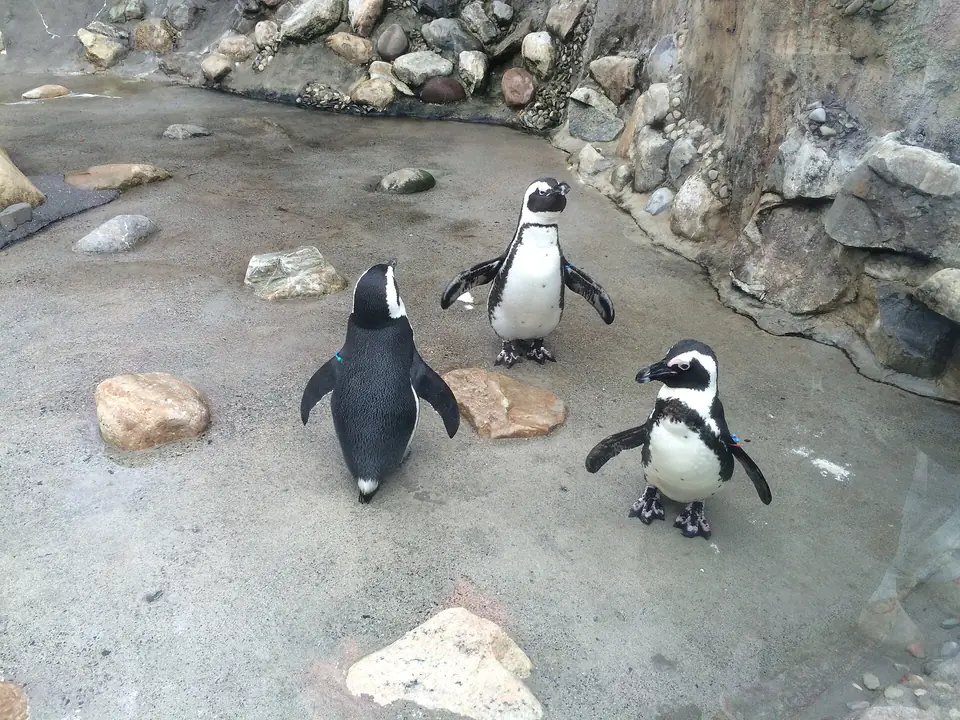
A free county zoo with two playgrounds by the entrance, one of them for toddlers, and a carousel in season. Strollers and wagons can be rented at the gift shop.
A children's room for preschoolers and a Small Sailors tour for kids under 12 aboard the battleship. The full tour climbs steep ladders, so leave the stroller ashore and bring a carrier.
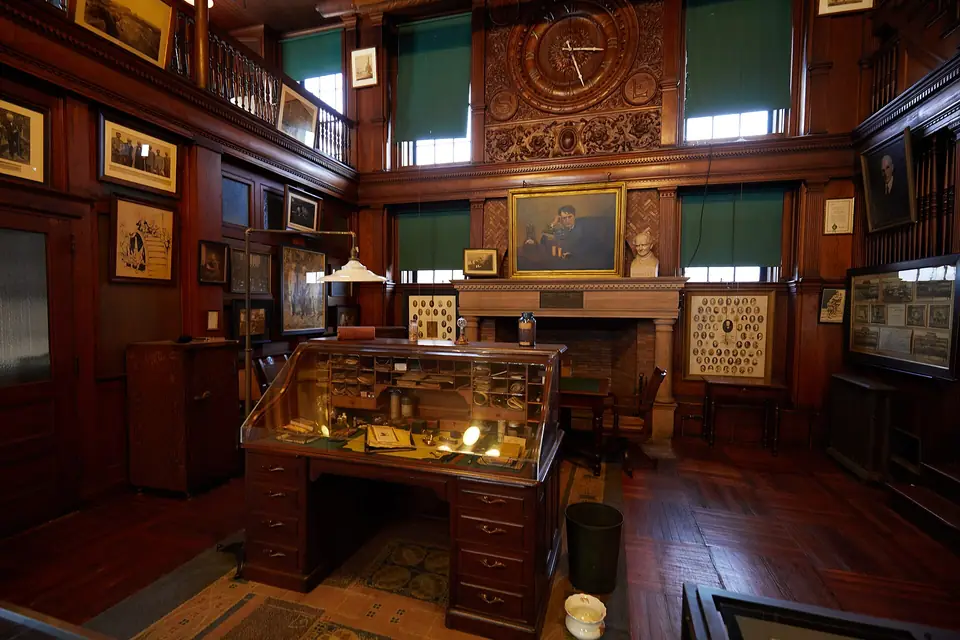
Edison's laboratory, with a Junior Ranger booklet children finish for a badge. Everyone 15 and under gets in free, and an elevator serves the lab's upper floors.
Spark!Lab, a Smithsonian invention space for about ages 5 to 12, with a junior corner of trains, blocks and puzzles for the under-5s. Every gallery can be reached by elevator or ramp.
Most places are calmest in the first hour after opening. Arrive then, see the highlights while everyone is fresh, and leave before nap time and the afternoon rush.
Mind the shore traffic
On summer weekends the roads to the shore fill up on Friday evening and Saturday morning and again on Sunday afternoon. A weekday, or an early start, makes Sandy Hook, Cape May and the boardwalk towns far easier with children.
Keep a rainy-day plan
Science centers, children's museums and aquariums are the same on a wet day as a dry one, and they are busiest then, so arrive at opening.
Check the age and height limits
Some historic house tours, lighthouse climbs and rides set a minimum age or height. Each place's Kids & families card gives the limits its own site states.
Plan ahead
Before you go
Stroller or carrier
Paved paths, boardwalks, garden walks and most museums suit a stroller; lighthouse stairs, historic house tours and rocky trails usually don't. The Stroller friendly list shows where one works.
Pack for the day
Water, snacks, sun protection and a change of clothes go a long way, and many parks have shaded picnic groves. Check the park map for restrooms before you set out.
Watch for ticks
New Jersey's woods and fields have plenty of ticks. After a walk, check children for them, especially along the hairline and behind the ears.
Bring the passes and cards
A fourth grader's pass, a Families First card, a library museum pass or a membership card from a museum at home can each get you in for less. The Membership card on each place says which reciprocal networks it belongs to.
State Park · Jersey City, Hudson County · 1,198 acres · 15.3 trail miles
For children: The park map shows a playground.
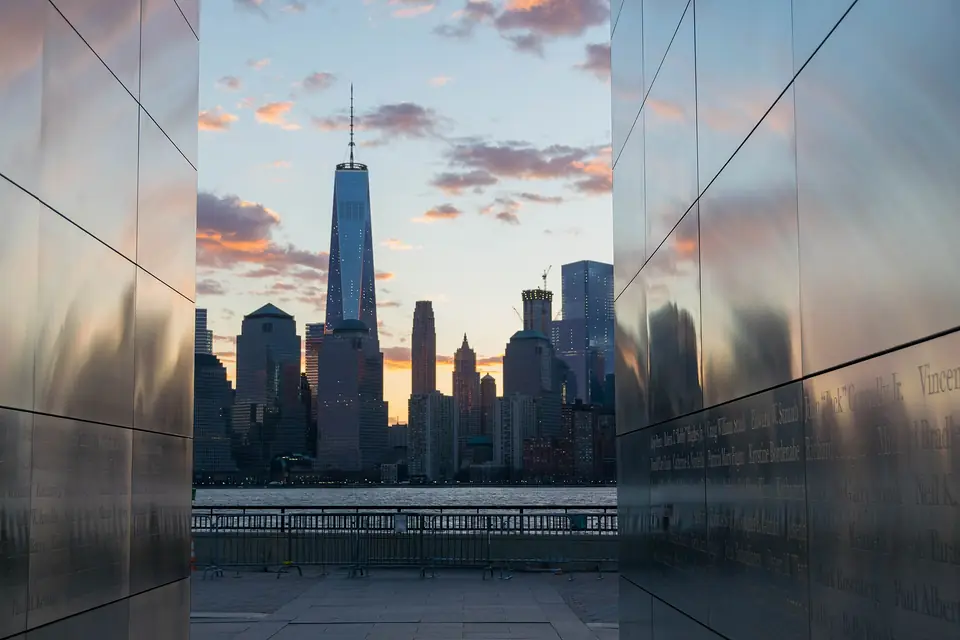
A harborfront park facing the Statue of Liberty and Ellis Island, with a waterfront promenade, the historic Central Railroad terminal, and ferries to both islands.
Children: Free for children 12 and under; reduced admission for youth 13 to 18.
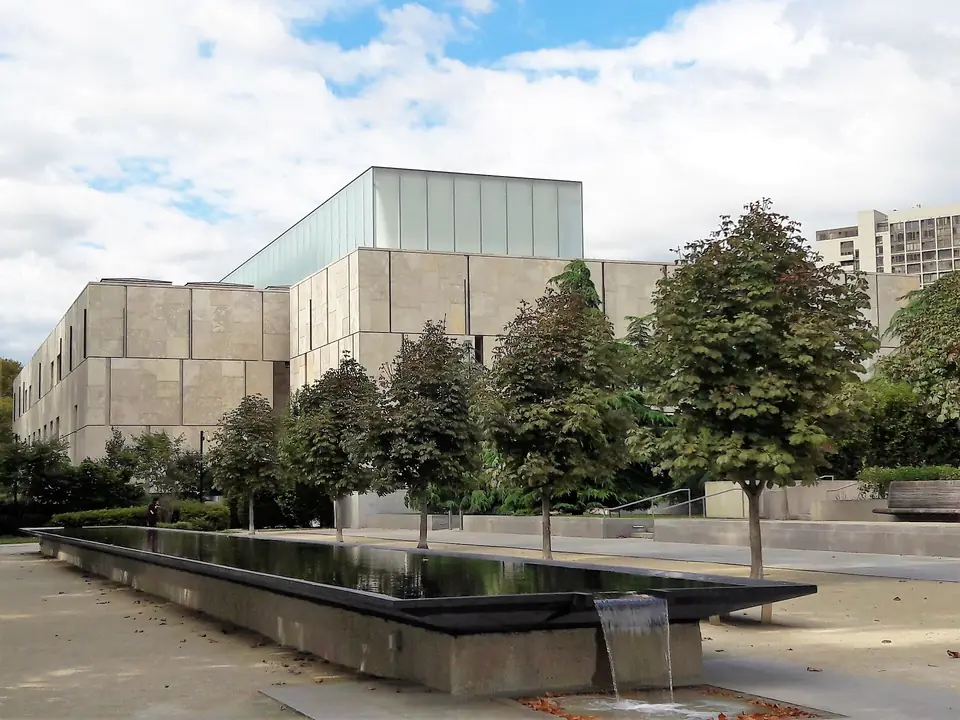
Albert Barnes's extraordinary collection of Impressionist and Post-Impressionist paintings by Renoir, Cezanne, Matisse and more, hung as he arranged it.
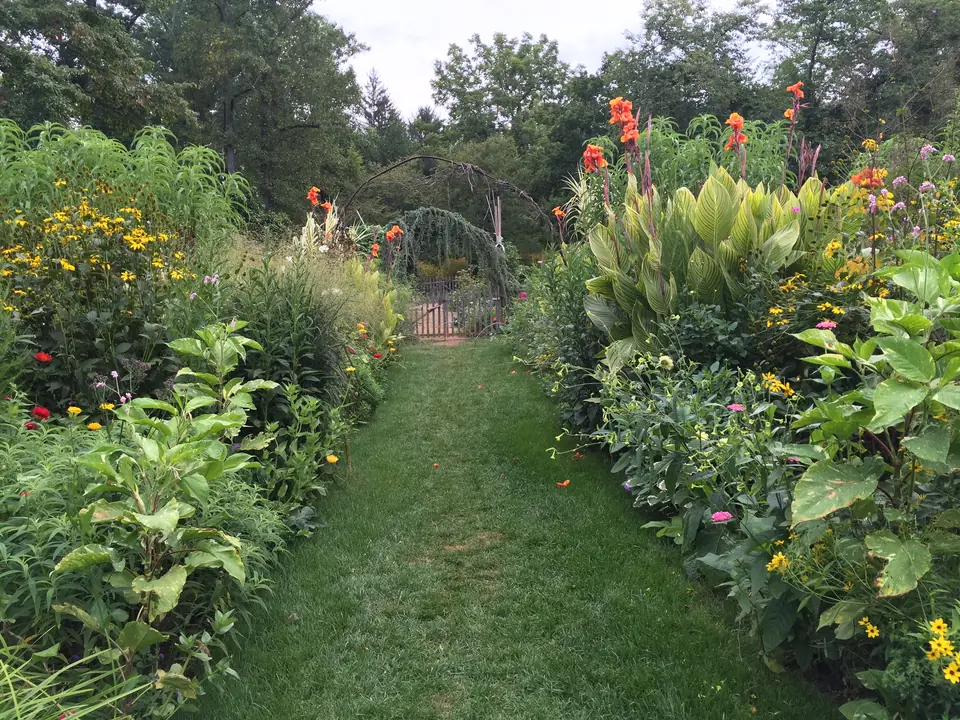
A 35-acre 'pleasure garden' on the Rosengarten family's former estate near Philadelphia, where each gardener designs their own area, from exuberant borders to a garden built in the ruins of a house.
Strollers: Standard strollers are allowed; oversize strollers and backpack-style child carriers go to the free coat check or lockers on the lower level, and the main entrance is barrier free.
Albert Barnes's extraordinary collection of Impressionist and Post-Impressionist paintings by Renoir, Cezanne, Matisse and more, hung as he arranged it.
Strollers: Strollers are allowed on the grounds and in the Visitor Center but not in the Steinhardt Conservatory or the shop; family single-user restrooms are near the Yellow Magnolia Cafe and the Flatbush Avenue entrance.
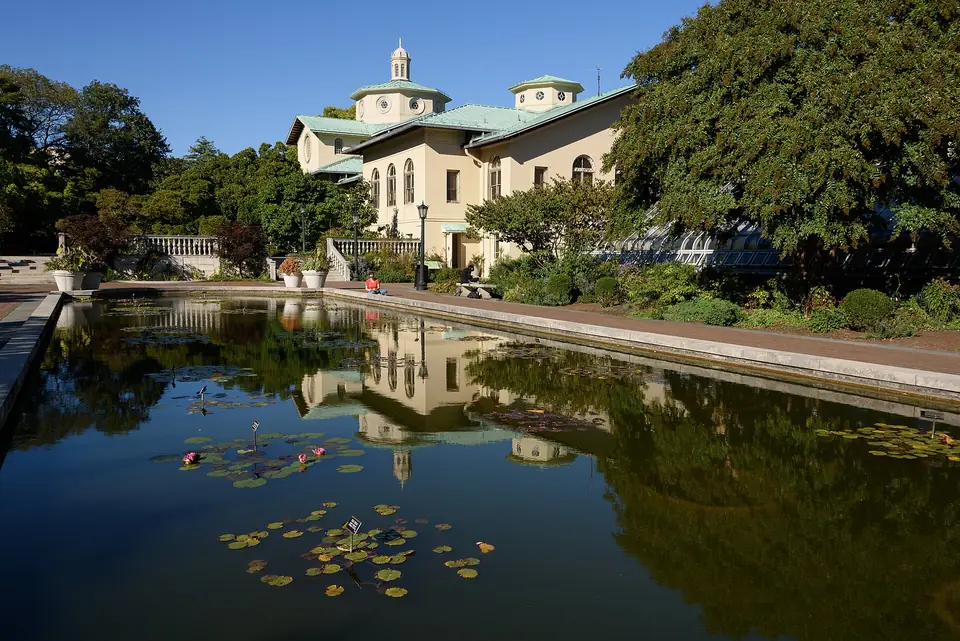
Fifty-two acres in the middle of Brooklyn, with a Japanese hill-and-pond garden, a famous cherry esplanade and a large rose garden.
Strollers: A one-mile paved path circles the garden; inner paths include gravel, grass, stone, steep slopes and stairs, and accessible restrooms have changing tables.
A 35-acre 'pleasure garden' on the Rosengarten family's former estate near Philadelphia, where each gardener designs their own area, from exuberant borders to a garden built in the ruins of a house.
Strollers: Single strollers and front carriers are allowed in the galleries and can be borrowed (no double-wide strollers or back carriers); changing tables are in the main-floor and Studio wing restrooms.
Pre-Raphaelite paintings, American illustration by Howard Pyle and his students, and a sculpture garden.